Cairo, Egypt · Est. 2023
The world's largest museum dedicated to ancient Egyptian civilisation
Located beside the iconic Pyramids of Giza, the Grand Egyptian Museum is the largest archaeological museum in the world. Home to over 100,000 artefacts spanning thousands of years of Egyptian history, including the complete treasures of Tutankhamun — displayed together for the first time.
Where every artefact tells a story
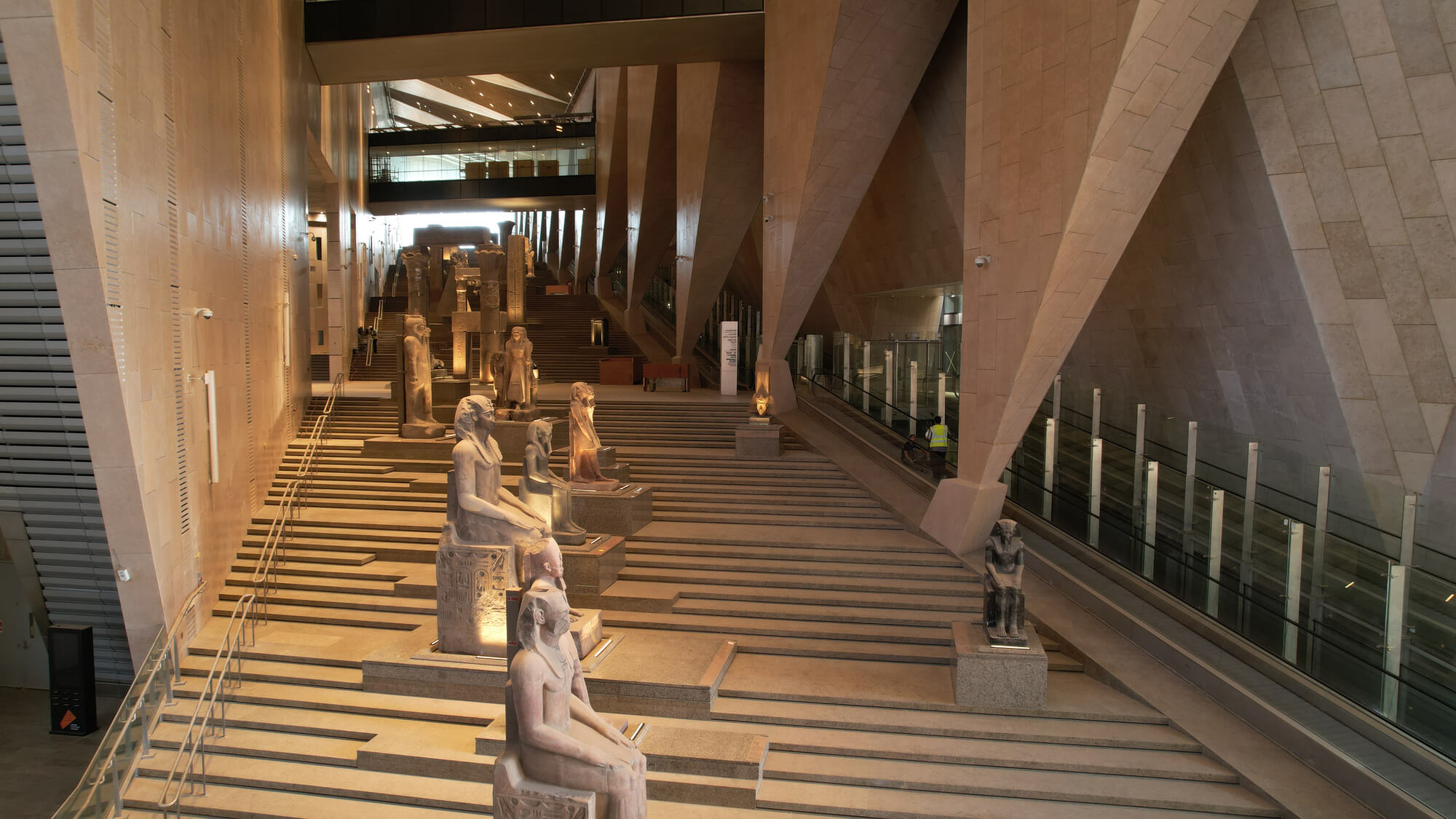
Home of the colossal Ramses II statue — an 11-metre monument that greets visitors at the main entrance, carved from rose granite circa 1250 BCE.
A sweeping monumental walkway lined with over 80 royal statues, guiding visitors through five millennia of dynastic history in a single breathtaking ascent.
The world's most complete display of Tutankhamun's treasures — over 5,000 objects including the legendary golden death mask, chariots, and sacred canopic jars.
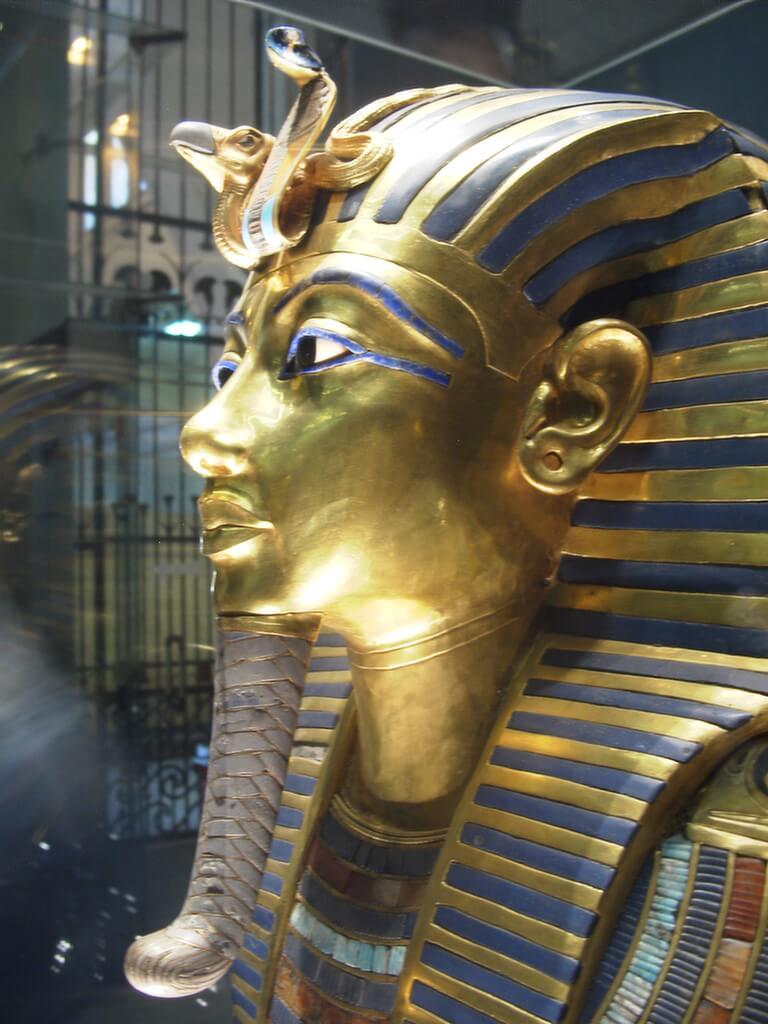
The most iconic object in Egyptian history. Crafted from 11 kg of solid gold, inlaid with lapis lazuli, carnelian, and obsidian, the mask covered the head of the royal mummy and was intended to guide the pharaoh's soul in the afterlife.
The most iconic object in Egyptian history. Crafted from 11 kg of solid gold, inlaid with lapis lazuli, carnelian, and obsidian, the mask covered the head of the royal mummy and was intended to guide the pharaoh's soul in the afterlife. Howard Carter discovered it on 28 October 1925, three years after first entering the tomb. The inscription on the reverse is a protective spell from the Book of the Dead, recited by Isis and Nephthys.
Originally from the Temple of Ptah at Memphis, this 11-metre rose granite colossus anchors the museum's grand atrium and was the first artefact installed in the building.
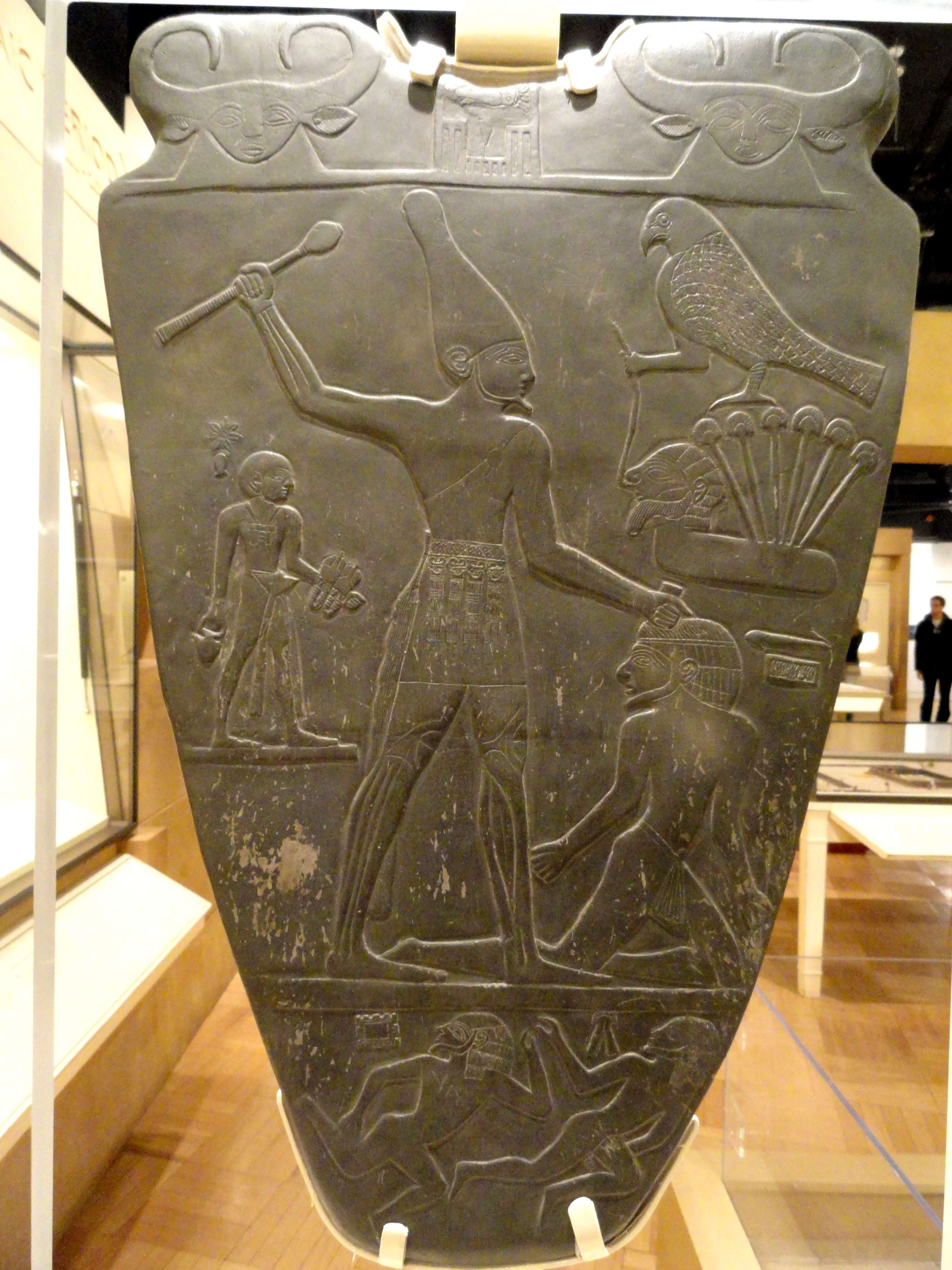
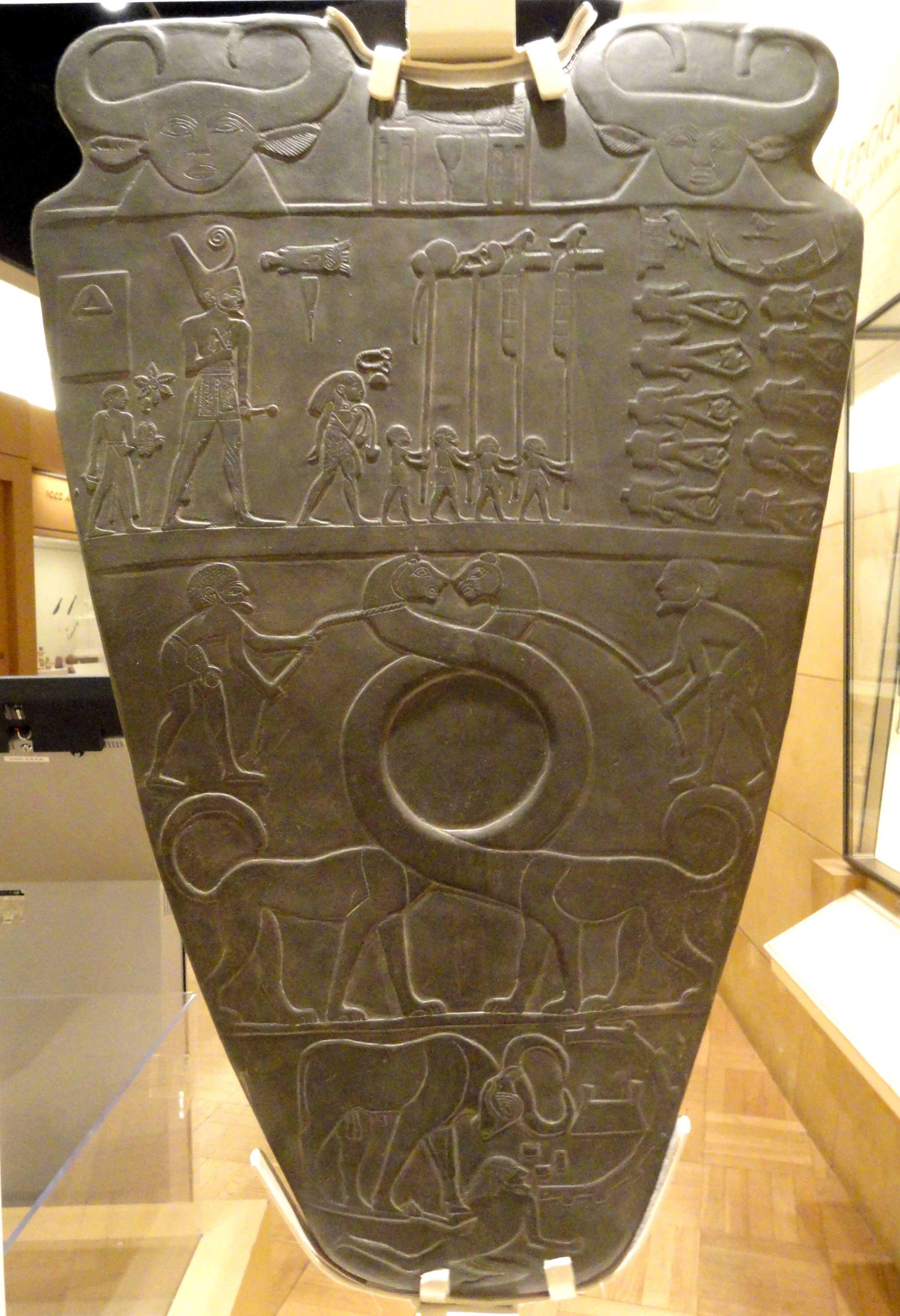
One of the earliest historical records of ancient Egypt. This ceremonial siltstone palette depicts the unification of Upper and Lower Egypt under Pharaoh Narmer.
From predynastic origins to the age of Cleopatra
The birth of the Egyptian state. Witness the Narmer Palette, the first royal seals, and the earliest hieroglyphic inscriptions that document the unification of the Two Lands under a single pharaoh.
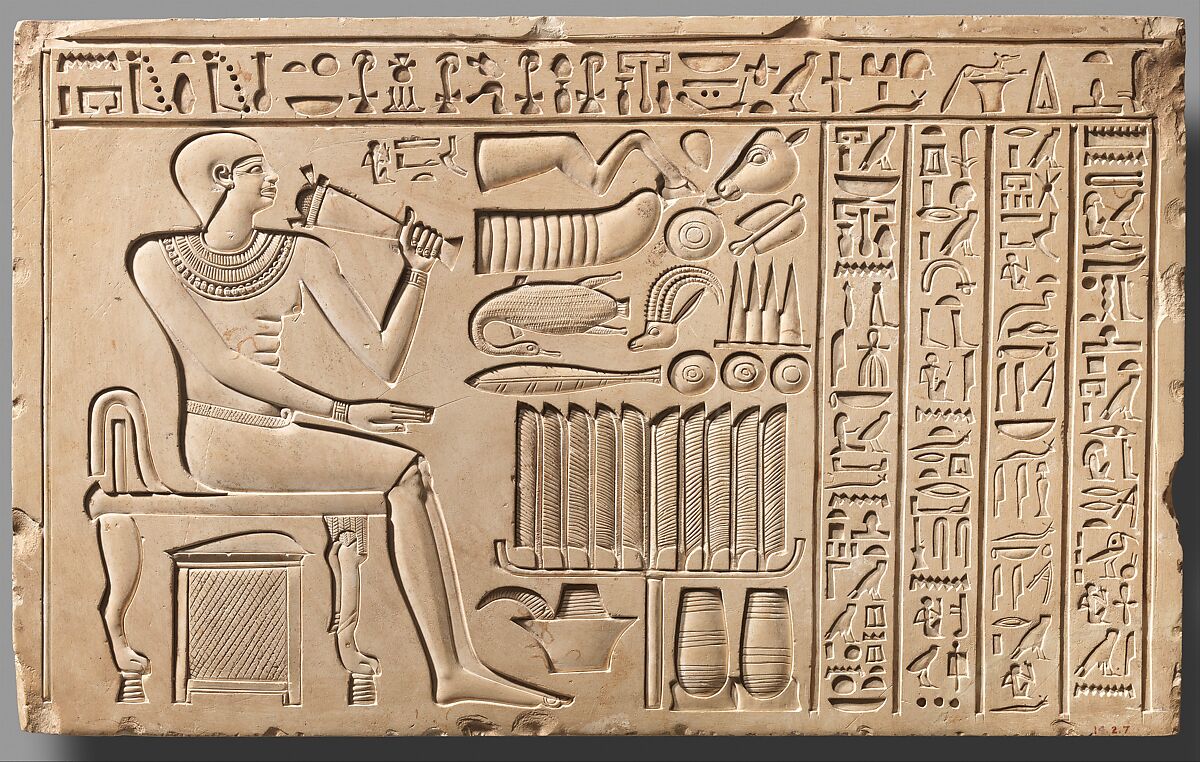
The age of pyramid builders. The collection spans the reigns of Sneferu, Khufu, and Menkaure — featuring monumental statuary, offering tables, and rare wooden models from elite tombs at Saqqara and Giza.
A golden age of literature and art. Explore elaborately painted wooden coffins, the first Books of the Dead, and intimate portrait sculptures that capture individual personalities with unprecedented realism.
Egypt at the peak of its power. The reign of Ramses the Great, the conquests of Thutmose III, and the eternal treasures of Tutankhamun — the most spectacular period of the entire collection.
Thousands of years, one extraordinary place
From opening hours to accessibility — your complete guide to visiting the Grand Egyptian Museum.
Please note: Opening times are subject to change during special events and national holidays. We recommend checking the official website before your visit.
Cairo–Alexandria Desert Road
Giza Governorate, Cairo
Egypt 12556
Numerous operators run direct services from central Cairo, Giza, and major hotels.
Approximately 30 minutes from downtown Cairo. Uber and Careem operate in the area.
Free parking is available for all visitors. Follow signs from the Desert Road.
Complimentary parking with ample space for cars, coaches, and tour buses.
Choose the admission that's right for you and secure your place among the treasures of the ancient world.
The entire museum is wheelchair accessible. Complimentary wheelchairs are available at the main entrance on a first-come basis.
Elevators connect all exhibition floors with accessible parking near the main entrance.
Dedicated parking bays are located directly in front of the main entrance, clearly signposted.
Accessible restrooms are located on every floor throughout the museum.
Available in 10 languages, including audio descriptions for visually impaired visitors. Induction loop compatible.
Guided tours in Egyptian Sign Language are available — advance booking required.
Selected replicas in designated areas allow tactile exploration for visually impaired guests.
Staff trained in accessibility assistance are present throughout the museum. Ask at the welcome desk.